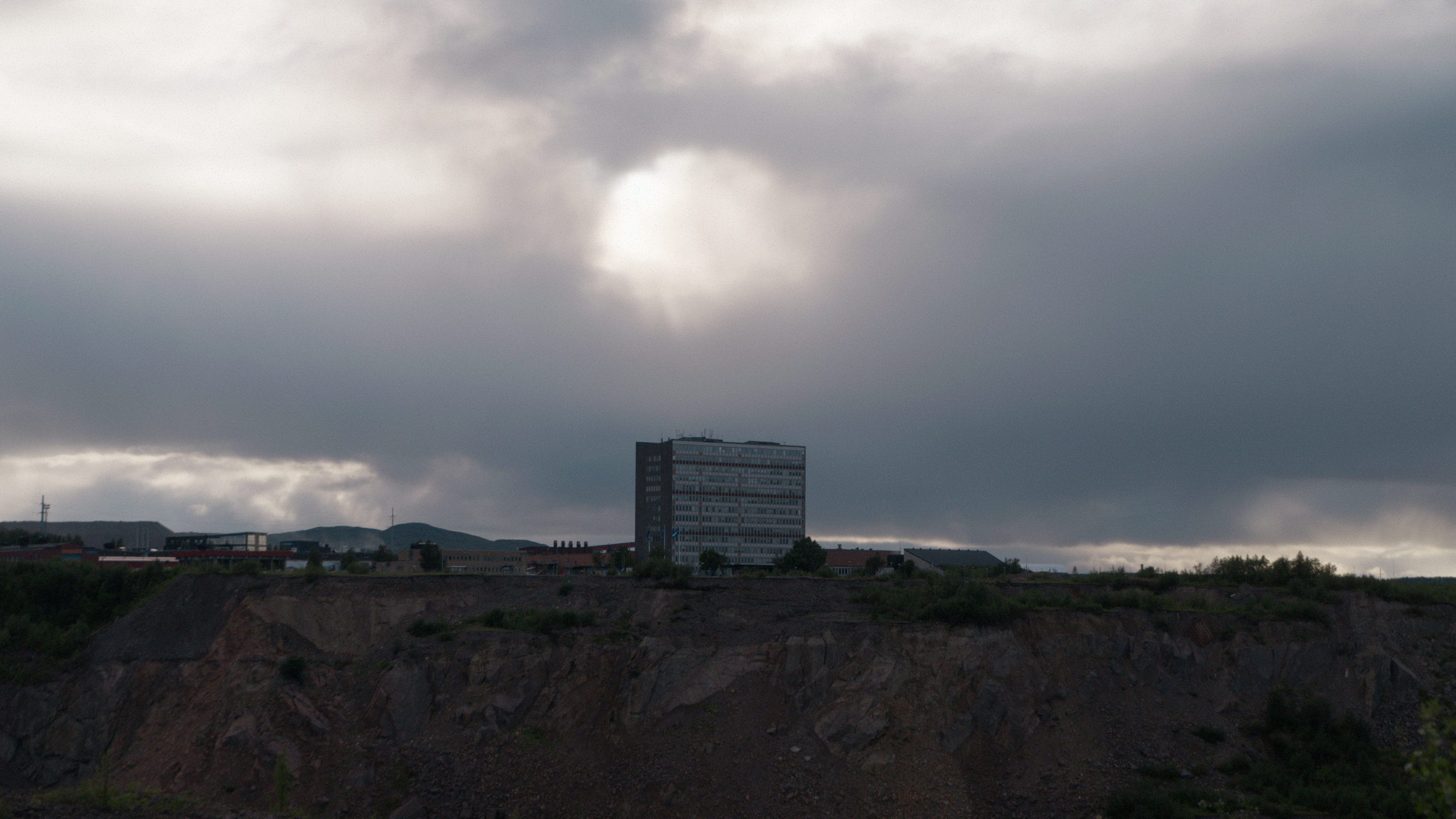

Three hundred kilometers north of the Arctic Circle, a Swedish town is condemned to exile.
The exploitation of the world’s largest iron mine has made its land unstable, threatened by collapse. Every night, the mine screams. Under the blows of the machines, she tells of her former glory, her anger, and her disbelief at the excesses of a humanity she cannot understand.
Kiruna was born with the mine. It exists only for the mine, and it will die with the mine.
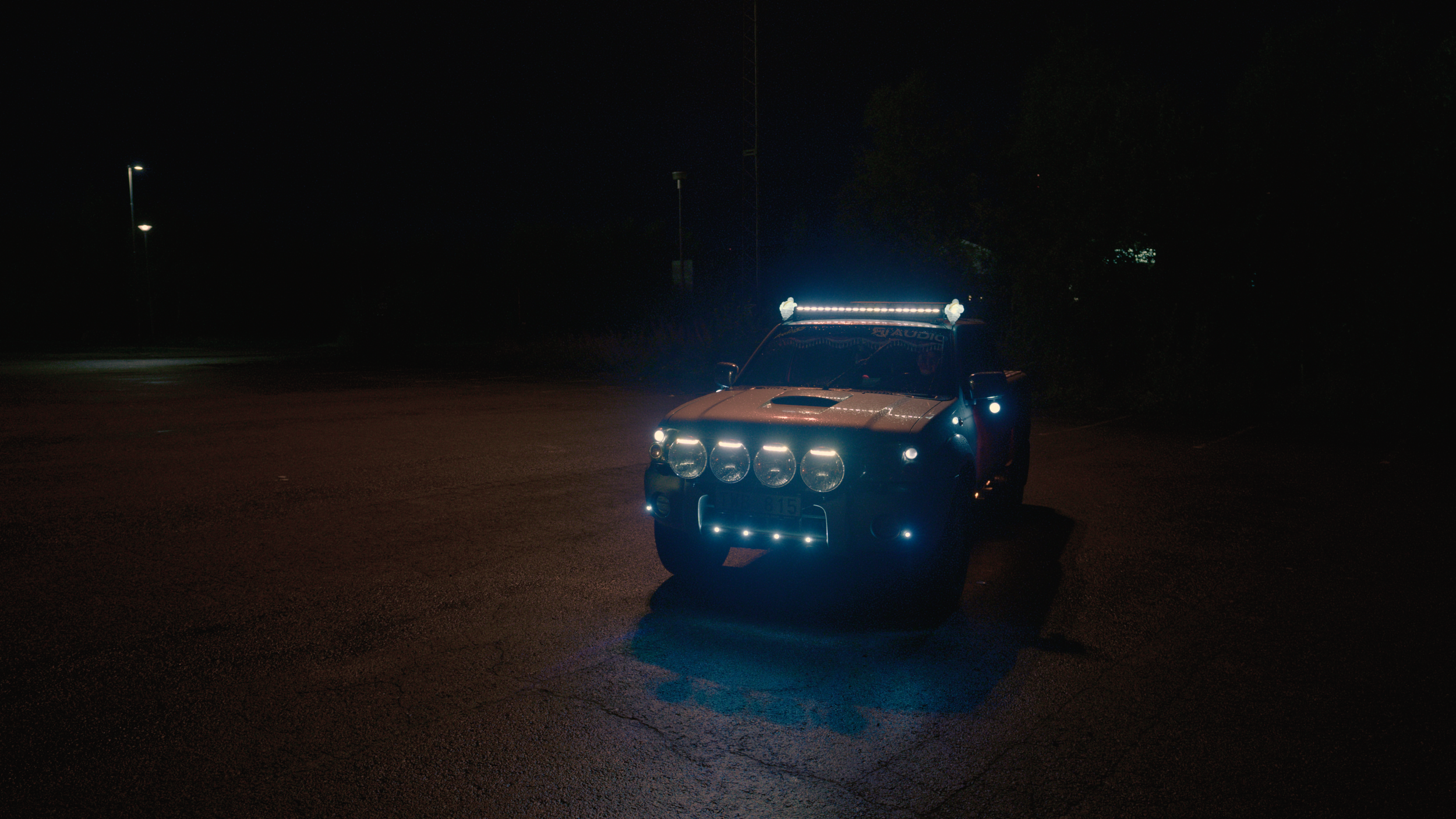
Zebastian, a miner who descends every day into the depths of the mine, struggles to accept the destruction of what he knows. Above, strange lights flare across the night sky, catching the attention of teenagers roaming the streets in their pimped cars. The spatial center nearby must be responsible. Elsewhere, a pastor busies herself, finishing packing the relics of the town’s church.
The entire town of Kiruna is preparing for a major event: soon, under the eye of the national television cameras, the church will begin its first and last procession.

Genre
Lenght
Language
Hybrid Documentary
100’
English / Swedish

Development funding (completed)
First scouting phase:
Second scouting phase:
Writing of production funding applications:
Submission of production funding applications:
Participation in co-production forums:
Shooting:
Editing:
Post-production:
Premiere:

November 2024 – June 2025
August 2025
From March to september 2026
From spring 2026
October 2026
From autumn 2026
End of winter 2027
From summer 2027
Autumn 2027
Visions du Réel 2028
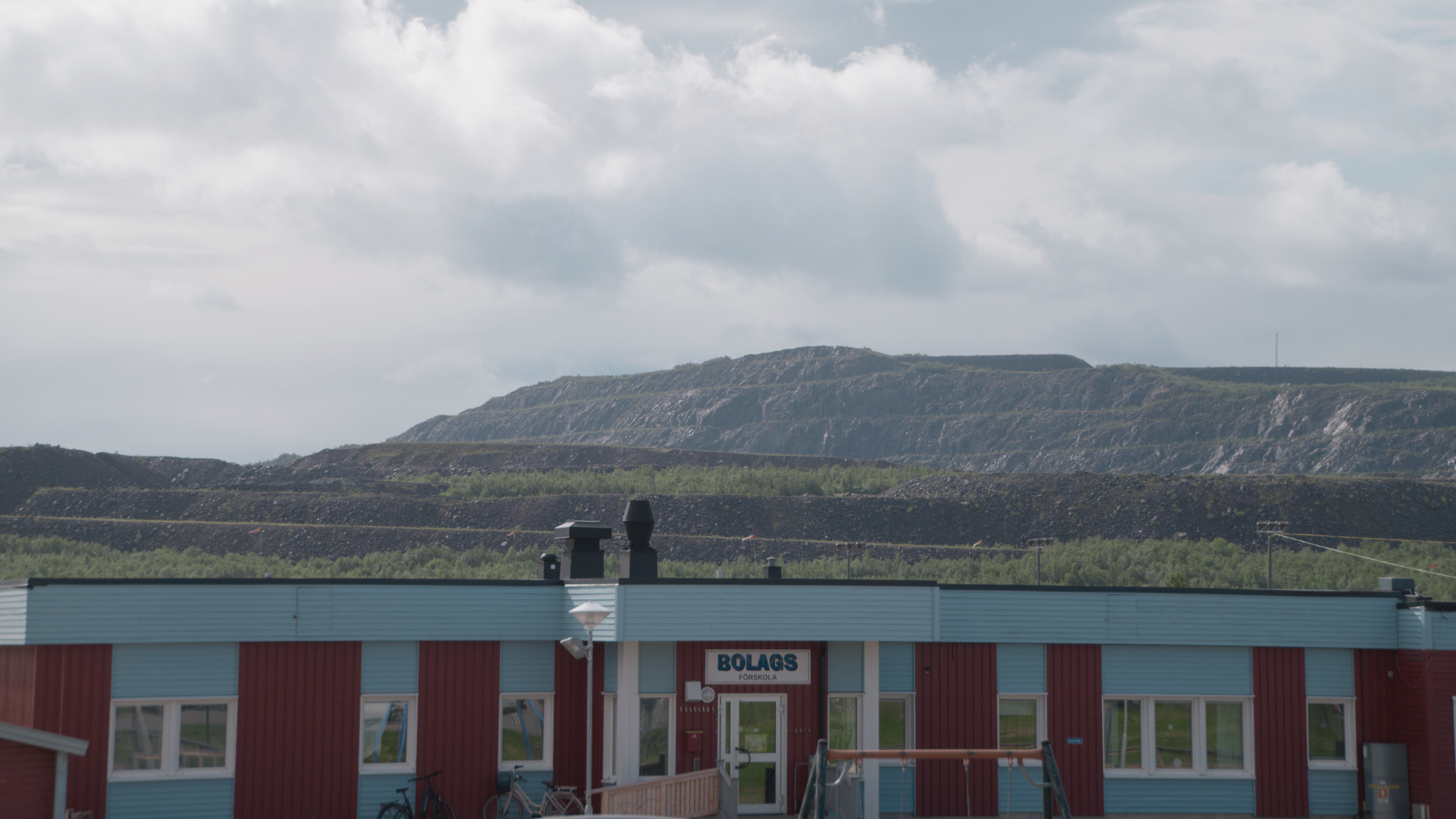
In Kiruna, the atmosphere is unusual, the streets are empty, almost abandoned. The mild summer temperatures and the midnight sun barely make one forget the long three-month night that will inevitably return in November. The town was founded in 1903 following the discovery of an iron ore vein. It was the LKAB (Luossavaara-Kiirunavaara Aktiebolag), a company named after the two mountains where the deposits were found, that claimed these rich lands, which were then owned by the Sámi, reindeer herders and the last indigenous people of Europe.
Like many single-industry towns, everything revolves around the mine. It is the sine qua non of the town’s existence. It lies at the heart of its economy, culture, and community.
Every night, between 1 and 2 a.m., everyone feels it, exactly as expected: a deep, rhythmic rumble that reverberates through the floors, shaking the walls and beds. 1200 meters underground, miners have just detonated a massive amount of explosives. Every day, they extract an amount of iron ore equivalent to six Eiffel Towers The 23,000 inhabitants of Kiruna are, willingly or not, accustomed to the sound of dynamite.
While it is estimated that the vein could still be exploited for at most another 50 years, another problem has emerged. The vein actually lies beneath the town. The daily explosives have made the ground in Kiruna unstable, threatened by collapse and the city center has become uninhabitable.
This raises a crucial question: what to do? If the mine stops, the town literally ceases to exist. Common sense might suggest changing extraction methods, digging another vein, or even shutting down the mine, but perhaps that common sense ends where economic interests far beyond our control begin.
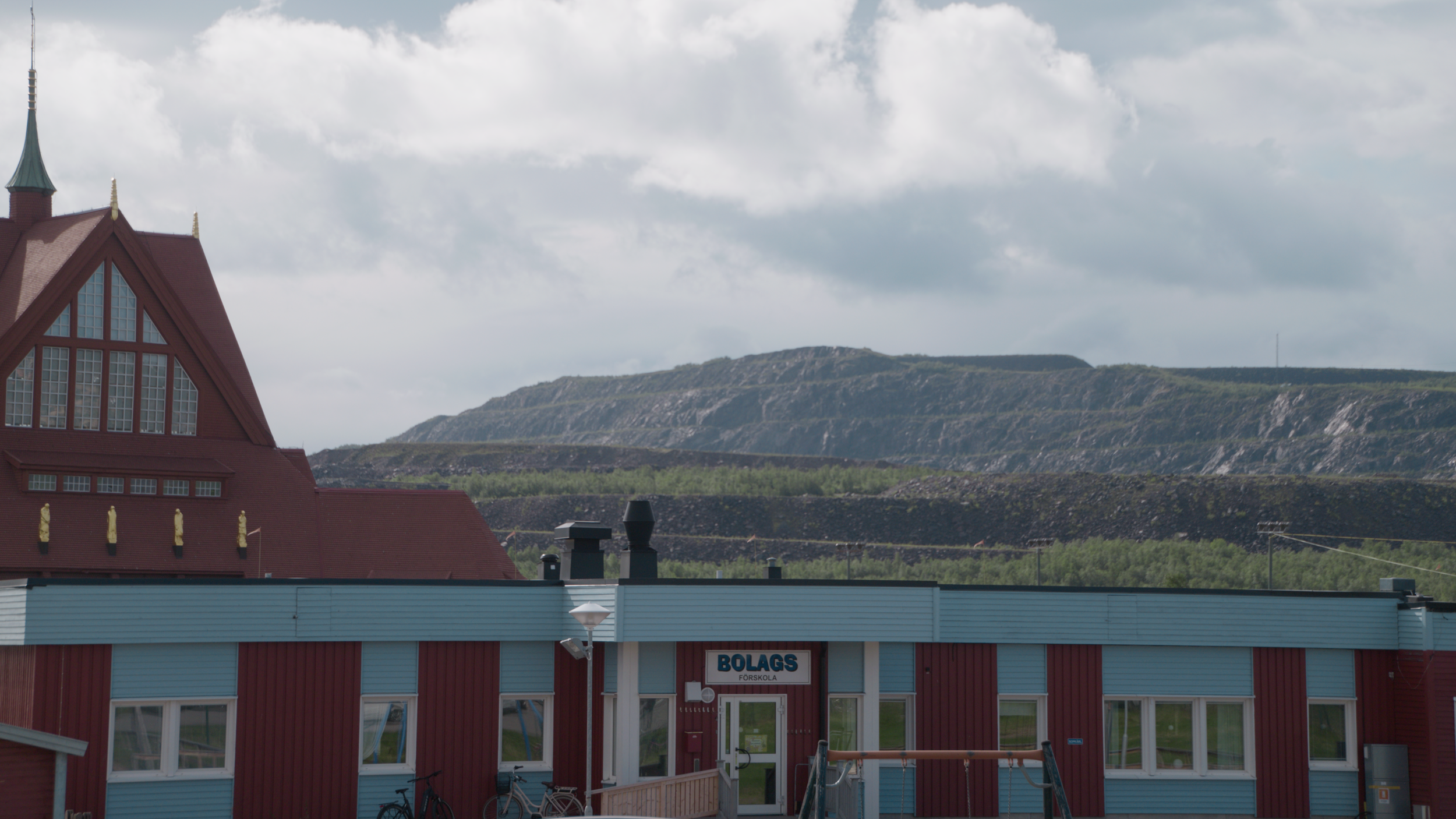
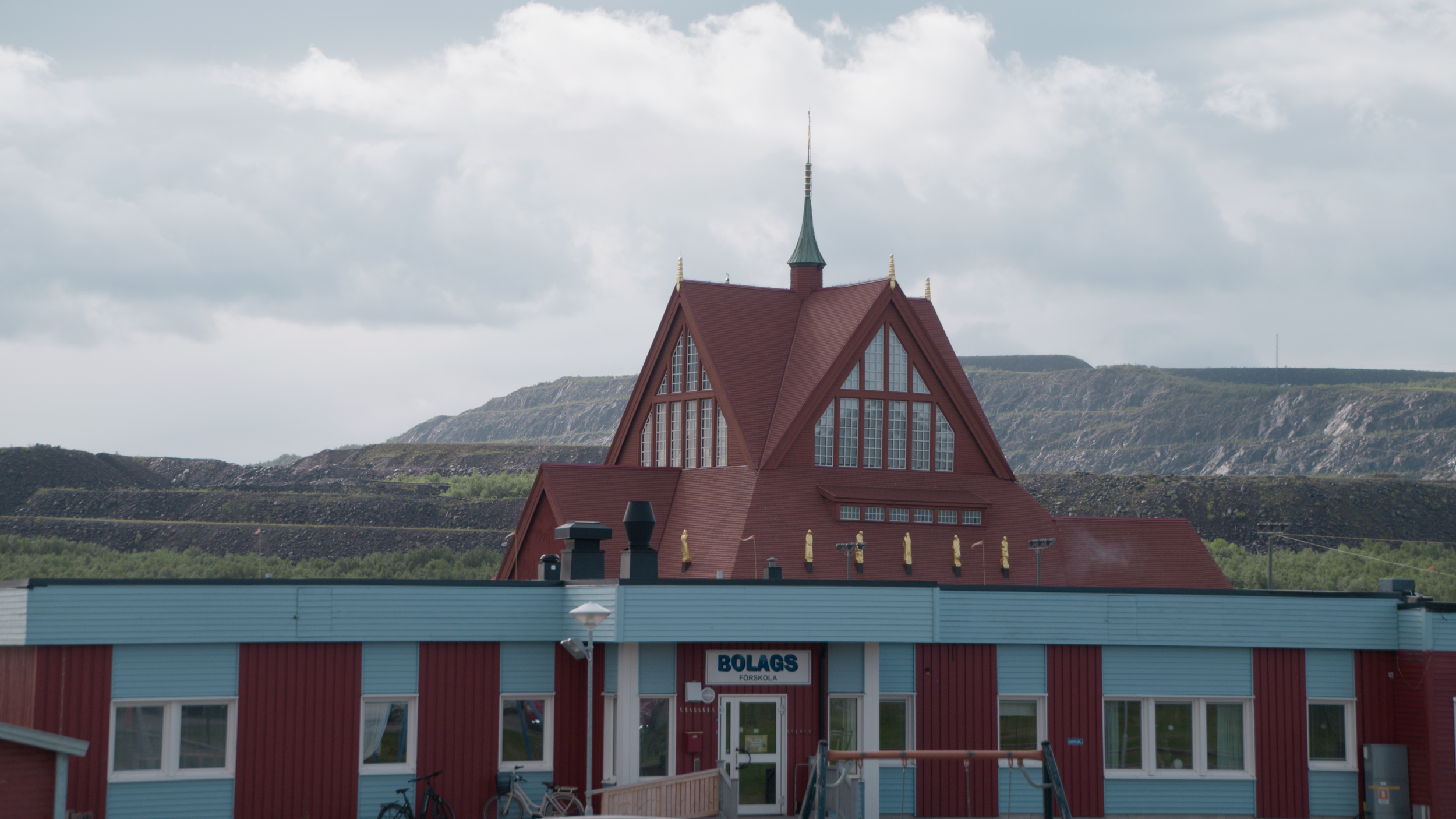
So LKAB made a decision a sane society might call absurd: to relocate the entire town in order to continue mining for, let us remember, only 50 more years. It is a colossal project, involving the destruction of most buildings but also the relocation, in one piece and by truck, of around a hundred historic buildings. The plan was announced in 2004, and work officially began in 2015. Today, the relocation is in full swing. The old city center no longer exists, it is left abandoned; only a few buildings still await destruction or relocation. In less than two years, the new city center has risen. Kiruna’s iron clock, a historic monument, emerges from a newly built shopping mall, a nod to the old town. The streets are still empty, and speakers play music. It feels like Disneyland. It is peculiar. The grass hasn’t grown yet, and construction barriers are still stacked on the outskirts.
In August 2025, a highly symbolic event marked the completion of Kiruna’s city center relocation. Kiruna’s Church, the largest wooden building in Sweden, was lifted off the ground and placed on a truck to be transported to a new location, 5 kilometers away. This transfer, carried out in a single, continuous movement, captures the scale and absurdity of this ongoing relocation. I envision this event as the starting point of the film, a way to enter this reality.

This first feature-length documentary extends the artistic and formal explorations I began in my short films, with a strong focus on form and a deliberately hybrid structure. At its core is a fictional character: the mine, which becomes the film’s narrator, speaking in an unintelligible voice made of mineral and mechanical sounds, subtitled throughout. The film becomes a quest to understand this voice, unfolding across the landscapes and people of Kiruna.
To anchor the project, I plan to relocate to Kiruna and work in the mine—both to identify potential protagonists and to immerse myself in the region’s social and ecological complexity.
The visual language is built on three layers:
- A digital camera for surface landscapes,
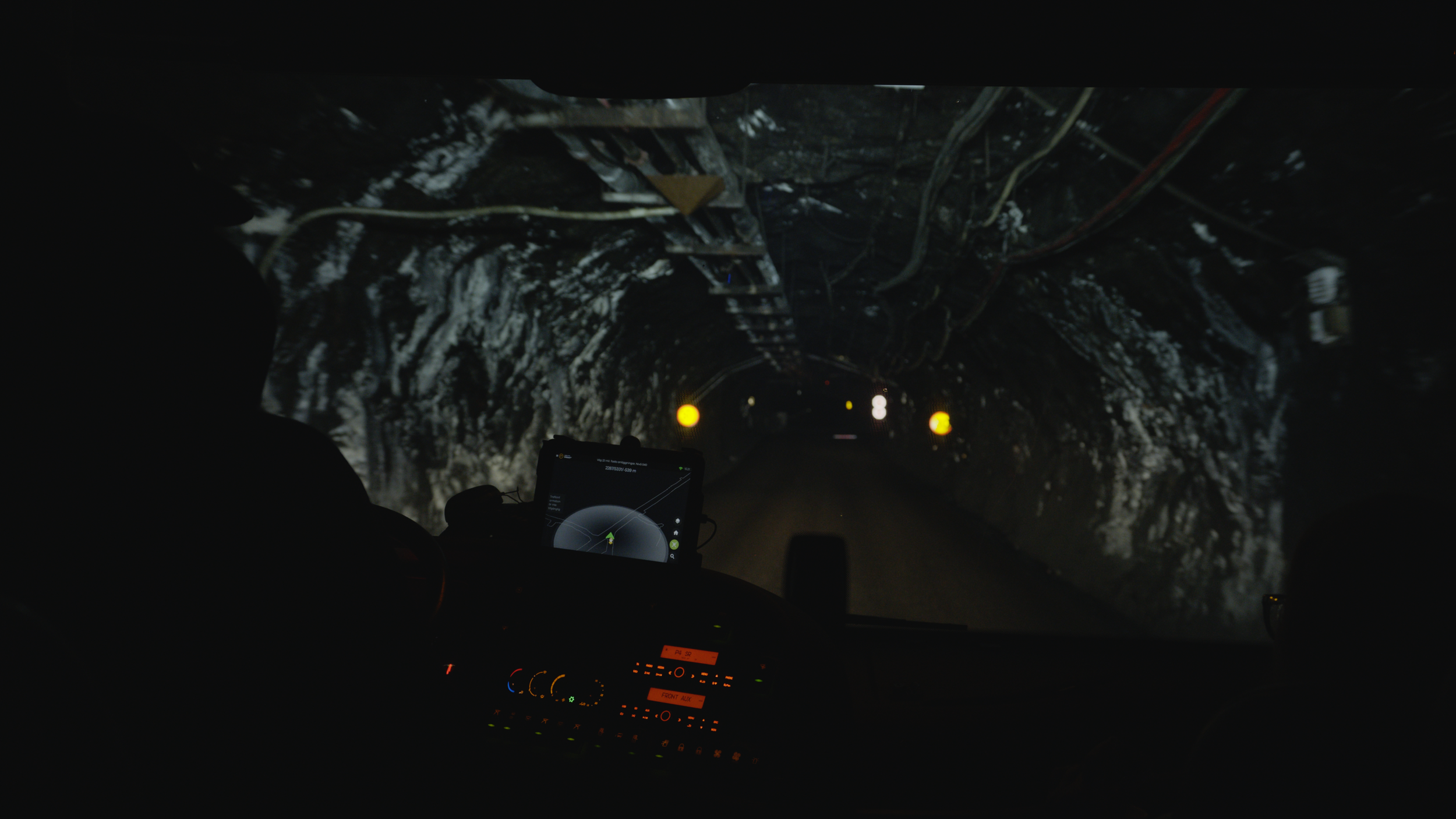
- A body-mounted camera for the underground world,
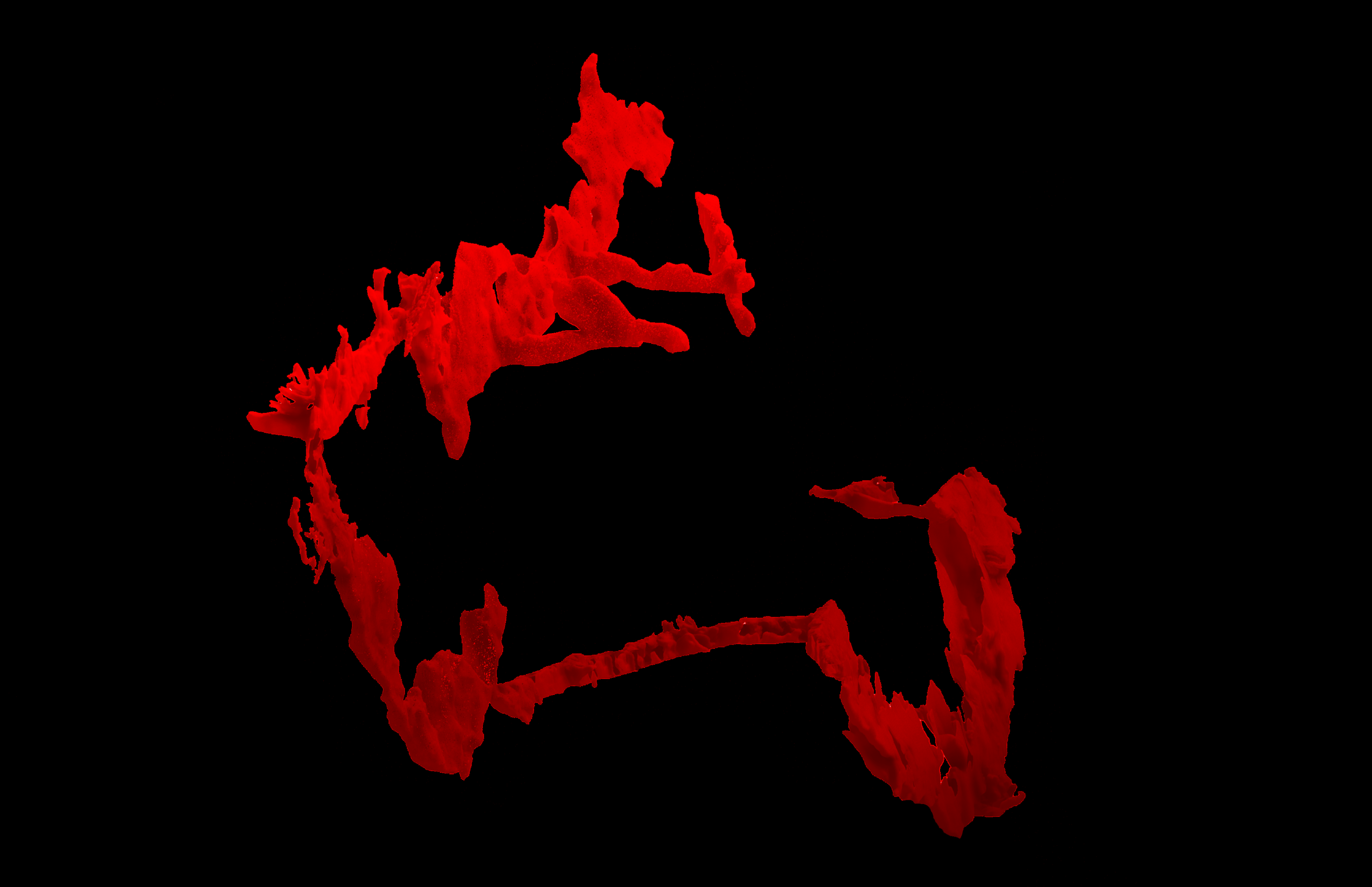
- 3D industrial scans that give the mine a dreamlike, symbolic presence.
I’m working with Peter Mettler, who will help me articulate the real and the sensory within an open narrative structure, and with Louis Lamarche, who will develop the sound design from writing through to final mix.